

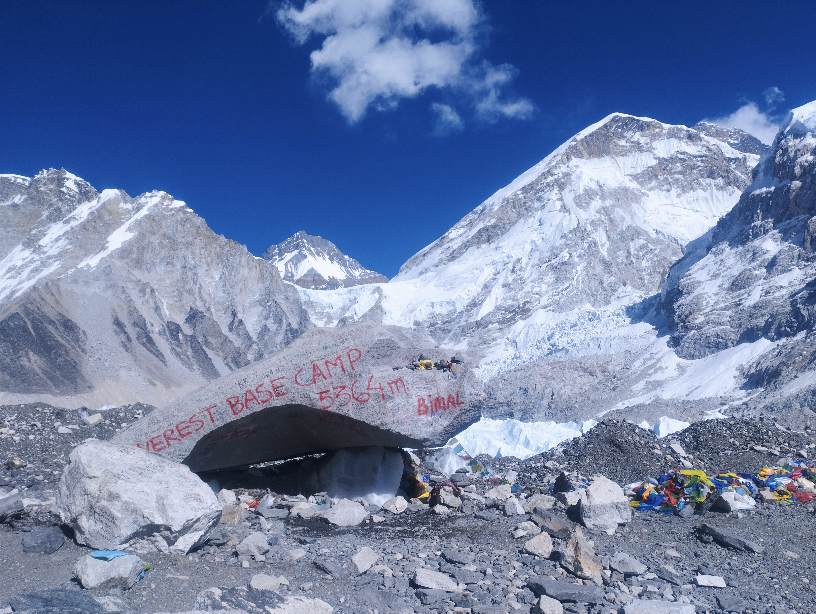
Mount Everest is not just the highest mountain on Earth—it is the heart of Himalayan adventure and a symbol of human determination. Rising to 8,848.86 meters (29,031.7 feet), Everest has inspired explorers, climbers, and dreamers for generations.
Hand-picked itineraries
Recommended Trips
Related journeys you may want to explore after reading this article.
.jpg)
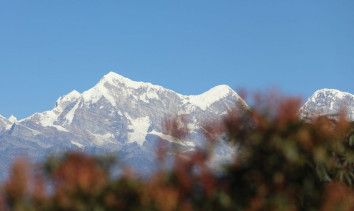
At Annapurna Encounter, a Nepal-based trekking and expedition company, we experience Everest not as a distant landmark but as a living part of the Himalayas—shaping local culture, livelihoods, and the spirit of adventure tourism in Nepal. This comprehensive guide explores where Mount Everest is located, its geological origins, climbing history, routes, environment, and cultural importance, written with local expertise and real mountain understanding.
Where Is Mount Everest Located?
Mount Everest is located in the eastern Himalayan mountain range, directly on the border between Nepal and the Tibet Autonomous Region of China. The southern face of the mountain lies in Nepal’s Solukhumbu District, within Sagarmatha National Park, a UNESCO World Heritage Site renowned for its dramatic landscapes and rich Sherpa culture.
Geographic coordinates:
27.9881° North latitude
86.9250° East longitude
The Nepal side provides access to the world-famous Everest Base Camp trek, while the northern approach is accessed from Tibet. This unique cross-border location has shaped both the history of climbing and the cultural identity of the region.
Geological Formation of Mount Everest
The story of Mount Everest began around 50 million years ago, when the Indian tectonic plate collided with the Eurasian plate. This monumental geological event created the Himalayas, pushing marine limestone and sediment upward to form the world’s highest peaks.
Remarkably, Everest is still growing—rising by a few millimeters each year due to ongoing tectonic movement. This active geology explains why Everest’s height is periodically remeasured and why the Himalayas remain one of the most dynamic mountain systems on Earth.
Names and Cultural Meaning of Mount Everest
Mount Everest is known by names that reflect deep spiritual respect:
Sagarmatha (Nepal) – “Forehead of the Sky”
Chomolungma (Tibet) – “Goddess Mother of the World”
For the Sherpa people, Everest is sacred. Long before it became a global mountaineering destination, the mountain was revered as the home of protective deities. Even today, climbers and trekking teams participate in traditional puja ceremonies before expeditions, seeking blessings for a safe journey.
For Nepal, Sagarmatha is also a symbol of national pride and identity, representing the country’s deep connection to the Himalayas.
History of Mount Everest Exploration
Early interest in Mount Everest grew during the early 20th century, with British-led expeditions attempting to reach the summit from Tibet. One of the most enduring mysteries in mountaineering history is the 1924 expedition of George Mallory and Andrew Irvine, who disappeared high on the mountain.
The first confirmed ascent of Everest was achieved on 29 May 1953 by Sir Edmund Hillary of New Zealand and Tenzing Norgay Sherpa of Nepal. Their success marked a turning point in exploration history and firmly placed Everest on the world stage.
Since then, thousands of climbers from around the globe have attempted Everest, advancing high-altitude science, climbing techniques, and expedition logistics—while also highlighting the mountain’s extreme risks.
Key Facts About Mount Everest
Mount Everest is often described simply as “the highest mountain in the world,” but its reality is far more complex:
Official height: 8,848.86 meters above sea level
Atmospheric pressure at summit: ~33% of sea-level pressure
Oxygen availability: Too low for long-term human survival
Death Zone: Above 8,000 meters, where the body deteriorates rapidly
Temperatures can drop below -60°C in winter, while winds regularly exceed 160 km/h. These conditions make Everest one of the most hostile environments humans attempt to enter.
Climbing Mount Everest: Routes and Challenges
Climbing Everest requires exceptional preparation, experience, and respect for the mountain. There are two primary routes to the summit.
South Col Route (Nepal Side)
The most popular route begins with a flight to Lukla, followed by a trek through Sherpa villages to Everest Base Camp (5,364 m). Major challenges include:
Khumbu Icefall
Western Cwm
Lhotse Face
South Col and final summit ridge
This route benefits from established infrastructure but remains physically and mentally demanding.
North Ridge Route (Tibet Side)
The northern route is less crowded but more exposed to strong winds. Climbers ascend via:
North Col
High-altitude camps on the Northeast Ridge
Technical rock steps near the summit
Both routes require careful acclimatization, technical climbing skills, and precise weather timing.
Flora and Fauna of the Everest Region
Despite extreme altitude, the Everest region supports remarkable biodiversity.
Vegetation Zones
Lower elevations: Rhododendron, pine, birch forests
Mid elevations: Alpine shrubs and meadows
High elevations: Hardy plants such as edelweiss and Himalayan blue poppy
Wildlife
Himalayan tahr
Musk deer
Red panda
Snow leopard (rare and elusive)
Himalayan monal, Nepal’s national bird
This ecological richness is one reason Sagarmatha National Park holds global conservation importance.
Environmental Challenges and Conservation
As Everest’s popularity has increased, so have environmental pressures. Overcrowding, waste accumulation, and trail erosion threaten the fragile alpine ecosystem.
To address these issues, local and national initiatives focus on:
Mandatory waste management for climbers
Organized clean-up expeditions
Promotion of sustainable lodges and renewable energy
Education on responsible trekking practices
At Annapurna Encounter, we strongly support responsible and sustainable tourism, ensuring that Everest remains pristine for future generations.
Preparing for an Everest Journey
Whether trekking to Everest Base Camp or aiming for the summit, preparation is essential.
Physical Preparation
Cardiovascular endurance
Strength training
Prior high-altitude trekking experience
Mental Readiness
Decision-making under stress
Patience and discipline
Awareness of altitude-related risks
Planning Essentials
Reliable local operators
Proper permits and documentation
High-quality gear and emergency planning
Experience, not speed, is the key to safety in the high Himalayas.
Why Mount Everest Continues to Inspire the World
Mount Everest represents the ultimate intersection of nature, culture, and human ambition. For some, it is a lifelong climbing goal. For others, simply standing at its base is a profound achievement.
From towering icefalls and ancient monasteries to Sherpa hospitality and breathtaking Himalayan vistas, Everest offers more than altitude—it offers perspective.
At Annapurna Encounter, we believe that every journey toward Everest should be guided by respect, preparation, and deep appreciation for the Himalayas. When approached responsibly, Mount Everest remains one of the most powerful and meaningful destinations on Earth.