

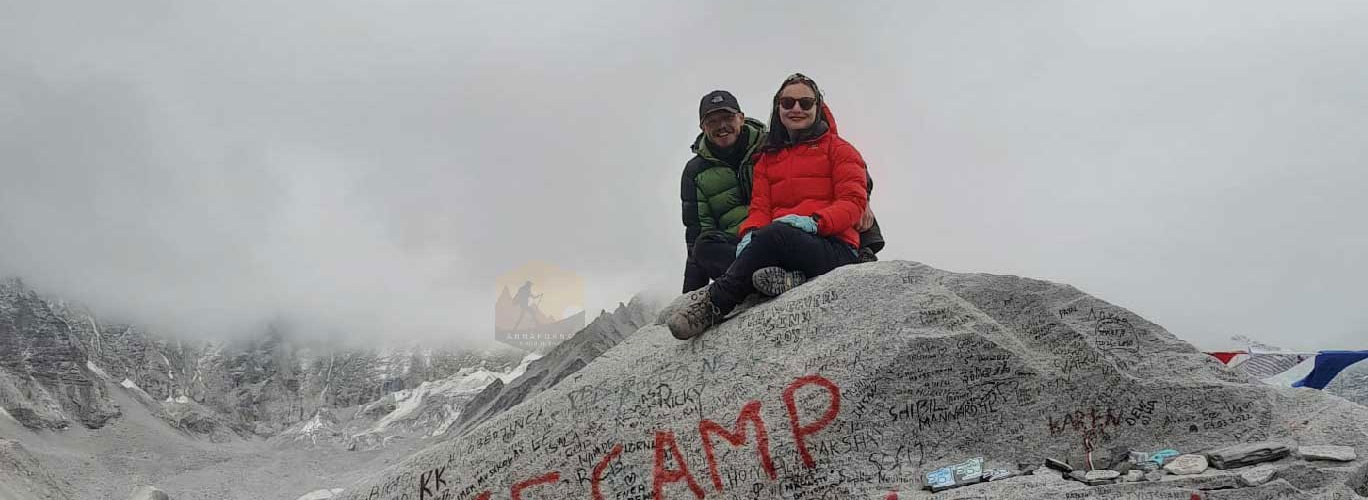
Dreaming of standing at the legendary base camp of Everest in the quiet solitude of winter? Trekking to Everest Base Camp in January is an extraordinary adventure for those seeking stunning snowy landscapes, fewer crowds, and the raw beauty of the Himalayas. This guide covers everything you need to know: weather, travel tips, altitude, route options, and why January might be your secret weapon for an epic trekking experience.
Hand-picked itineraries
Recommended Trips
Related journeys you may want to explore after reading this article.
.jpg)
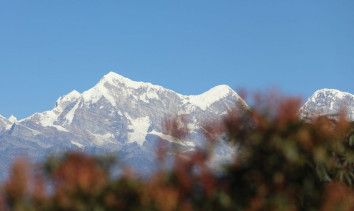
Overview: Everest Base Camp Trek in January
Everest Base Camp Trek is a bucket-list journey that takes you through the heart of the Khumbu region, all the way to the Everest Base Camp height of 5,364 meters (17,598 ft). January transforms this classic trek into a winter wonderland, with pristine trails, clear skies, and breathtaking Himalayan panoramas.
Why January?
Crystal-clear views of Everest, Lhotse, and Ama Dablam
Peaceful trails—far fewer trekkers than in peak months
Authentic Sherpa culture with less tourist influence
Budget-friendly deals on flights and teahouses
What You'll See: Peaks and Highlights
Iconic Peaks on the Route
Mount Everest (8,848m/29,029ft) – The highest peak on Earth, viewed up close from Kala Patthar and the base camp
Lhotse, Nuptse, Ama Dablam, Thamserku, and Pumori – All visible along the trail
Notable Landmarks
Namche Bazaar – Gateway Sherpa town
Tengboche Monastery – Nepal’s most famous Buddhist monastery
Khumbu Glacier & Icefall – Raw, untouched glacial beauty at the base camp of Everest
Kala Patthar (5,545m/18,192ft) – The best viewpoint for sunrise on Everest
How Cold Is the Weather at Everest Base Camp in January?
January is the coldest month in the Everest region. Expect:
Daytime temperatures: -5°C to 5°C (23°F to 41°F)
Nighttime temperatures: -20°C to -10°C (-4°F to 14°F) at higher altitudes
Weather: Mostly dry, with occasional snowfall; skies are usually clear, offering spectacular mountain views.
Travel Tips for January:
Bring proper winter gear: Down jackets, thermal base layers, warm hats, gloves, and sleeping bags rated to -20°C or lower.
Start early: Days are shorter, so start your trek early to reach teahouses before dark.
Hydrate and acclimatize: The dry air increases dehydration risk. Take regular acclimatization stops.
Everest Base Camp Trek 14 Days: Classic Itinerary
Here’s a standard Everest Base Camp trek 14 days itinerary, suitable for January:
Day 1: Arrival in Kathmandu
Day 2: Fly to Lukla (2,860m) – Trek to Phakding (2,610m)
Day 3: Trek to Namche Bazaar (3,440m)
Day 4: Acclimatization day in Namche
Day 5: Trek to Tengboche (3,860m)
Day 6: Trek to Dingboche (4,410m)
Day 7: Acclimatization day in Dingboche
Day 8: Trek to Lobuche (4,910m)
Day 9: Trek to Gorak Shep (5,164m) and Everest Base Camp (5,364m)
Day 10: Hike to Kala Patthar (5,545m) – Return to Pheriche
Day 11: Trek to Namche
Day 12: Trek to Lukla
Day 13: Fly to Kathmandu
Day 14: Departure
Is Everest Base Camp Dangerous in January?
Is Everest Base Camp dangerous? For well-prepared trekkers, the answer is: generally no—but there are risks:
Altitude sickness: Always ascend gradually and monitor symptoms
Extreme cold: Can cause frostbite or hypothermia if not dressed properly
Icy trails: January conditions may create slippery paths; carry microspikes
Isolation: Fewer trekkers mean less help in emergencies; always trek with a guide or group
Is Everest Base Camp Worth It in January?
Absolutely! If you crave adventure and pristine Himalayan scenery, trekking to Everest Base Camp in January is deeply rewarding. You’ll experience:
Unspoiled beauty and tranquility
Authentic local hospitality
Lower costs and no queue at famous viewpoints
How Many Base Camps on Everest?
There are two main base camps on Everest:
South Base Camp (Nepal): 5,364m – the endpoint for most trekkers and springboard for Everest summiteers
North Base Camp (Tibet): 5,150m – accessible only via Tibet, China
This guide focuses on the classic South Base Camp trek from Nepal.
Everest Base Camp Trek from Jiri
If you want a more old-school, off-the-beaten-path adventure, consider the Everest Base Camp trek from Jiri:
Adds 5-7 days to the standard itinerary
Traverses beautiful mid-hill villages, rhododendron forests, and follows the original route of the 1953 British Everest Expedition
January on the Jiri route is cold but less harsh than the high Himalayas—expect authentic culture and less-developed trails
Everest Base Camp in January: Travel Tips, Weather, and More
Pack light but warm: Every kilo counts when it’s cold and you’re trekking at altitude
Power banks & batteries: Cold drains batteries faster; bring spares and keep them warm
Flexible plans: Flight delays to Lukla are common due to winter weather; budget extra days
Travel with Annapurna Encounter: Our experienced guides ensure your safety and comfort in the challenging winter conditions
Base Camp Everest: Best Time to Go
While spring (March-May) and autumn (September-November) are the most popular times, January is the best time to go for those wanting solitude, dramatic winter scenery, and a unique trekking experience at the base camp of Everest.
Final Thoughts
Everest Base Camp in January is not for everyone, but if you’re ready for the cold and looking for adventure off the tourist trail, it might be your best trekking month ever. Contact Annapurna Encounter for tailored EBC trek packages, expert guides, and personalized service for a safe and memorable Himalayan journey.
Ready to brave the winter and reach the base camp of Everest?
Contact us today to book your Everest Base Camp trek in January and start your adventure at the top of the world!