
-1.jpg)
Nepal is a dream destination for drone operators, offering Himalayan landscapes, ancient temples, and culturally rich aerial potential. However, drone operations are tightly regulated. Any person or organization looking to film, survey, or fly drones in Nepal must follow national aviation laws, conservation area policies, and local administrative procedures.
Hand-picked itineraries
Recommended Trips
Related journeys you may want to explore after reading this article.
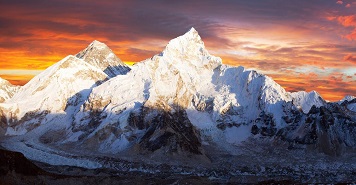
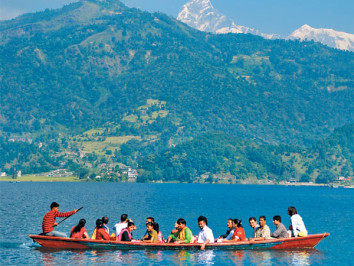
This 2025 guide provides a complete summary of the laws governing drone filming in Nepal, including CAAN registration, Home Ministry flight rules, permit costs, airspace restrictions, and protected area regulations.
1. Drone Classification by Weight (MTOW – Maximum Take-Off Weight)
| Category | Risk Level | MTOW | Typical Use |
|---|---|---|---|
| A | Very Low Risk | Less than 250 g | Toy, home use, indoor flight |
| B | Low Risk | 250 g – 2 kg | Hobby, small-scale aerial footage |
| C | Regulated Low Risk | 2 – 25 kg | Commercial filming, mapping |
| D | Regulated High Risk | Above 25 kg | Industrial, security, logistics use |
2. CAAN Drone Registration (Valid for 3 Months)
All drones above Category A must be registered with CAAN using RPA/Form/01.
Documents Required:
Completed RPA/Form/01
Owner/company name, address, contact
Passport-size photo of applicant
Drone details: manufacturer, model, serial number, manufacture year, type, payload, color, retailer
Citizenship/passport or company registration
Drone manual and specification sheet
Photo of drone with model and serial number
Purpose of operation
VAT bill (if bought in Nepal)
Customs clearance (if imported)
Fee: USD 50 + 13% VAT
Validity: 3 months
3. Pilot Qualifications (Ministry of Home Affairs)
Drone pilots must:
Be at least 18 years old
Have basic flight control and technical training
Understand radio frequency operations
Know how to land/take off and control the drone safely
Must not interfere with telecom, security, or aviation systems
May need third-party insurance for commercial flights
4. Flight Limits and No-Fly Zones
Prohibited flight times:
Between midnight and sunrise
When ground visibility is <5 km or cloud ceiling <450 m
Restricted Areas (unless authorized):
Within 5 km of airports or air routes
Within 5 km of international borders
Kathmandu: Maitighar Mandala, Swayambhunath, Pashupatinath, Boudhanath, Budhanilkantha, all Durbar Squares, Singha Durbar, and residences of VIPs (within 1000 m radius)
500 m radius around military/security headquarters
Cultural, religious, archaeological, and government buildings
Hospitals, dense urban zones, and private property
Areas affecting frequencies used by telecom, aviation, or security agencies
Personal privacy and public safety zones
Flight restrictions:
Max altitude: 100 meters
Max horizontal distance: 300 meters
Max endurance: 15 minutes per flight
Permits must be coordinated with the local CAAN and CDO offices
5. Filming Laws and Permit Conditions (As per Nepal Gazette Vol. 68 No. 34)
Legal Drone Permit Fees for National Parks, Conservation Areas
| Applicant Type | Documentary Filming Fee |
| Nepalese Citizens | NPR 10,000 |
| Citizens of SAARC Countries | NPR 50,000 |
| Citizens of Other Countries | USD 1,500 or equivalent in NPR |
Additional Charges:
An extra 25% fee is levied when shooting a film or documentary (including drone use) that captures scenic or cultural landscapes. This fee applies on top of the base permit cost.
This rate applies specifically to filming in protected zones managed by NTNC and DNPWC such as Annapurna, Manaslu, Everest, Langtang, and Chitwan.
Liaison Officer Requirement:
For foreign filming teams, the Department of Information or Tourism assigns a liaison officer to accompany the crew throughout the shoot.
The liaison officer is mandatory for projects involving drones.
The production team must cover the officer’s daily allowance, travel, food, and accommodation.
This rule applies to all international drone shoots labeled as documentary or cinematographic projects.
Non-Documentary Drone Use:
According to Clause (j) of the Gazette: "When using drones for purposes other than documentary, after completing the usual procedure, the prescribed fee for cinematography (documentary, film) will be charged."
Even if your drone shoot is not labeled as a film or documentary, you are still obliged to pay the full filming fee. Recreational or commercial drone activities must follow the same legal and financial framework.
Summary of Drone Filming in Nepal:
| Aspect | Details |
| Registration | Required through CAAN (USD 50 + 13%) |
| Permit Authority | Department of Information, NTNC, or DNPWC |
| Nepalese Fee | NPR 10,000 |
| SAARC Nationals | NPR 50,000 |
| Other Foreign Nationals | USD 1,500 |
| Additional Filming Charge | 25% of base fee for cinematography |
| Liaison Officer | Mandatory (appointed by government) |
| Approval Time | Usually same-day, if documents are complete |
6. Permit Exemptions from Ministry of Home Affairs
Flight permit is not required in the following cases:
Category A/B drones (under 2 kg), flying under 200 ft AGL within university or study centers, with institutional approval and prior police notification
Government drones (Cat A/B) used for official purposes with prior information to local administration
Cultural or personal events within private homes using Category A drones, under 50 ft AGL, with prior police information
7. Enforcement and Penalties
Unauthorized drones will be confiscated immediately and handed over to CAAN
Violators are prosecuted under the Civil Aviation Act, 2053 and the Electronic Transactions Act, 2063
Drone flight permits are non-transferable
Security forces may seize drones flown in restricted zones without consultation
Any violation of no-fly conditions will lead to legal and financial penalties
Conclusion
Drone filming in Nepal is legally possible—but only through strict compliance with national, district, and conservation laws. CAAN registration, Home Ministry clearances, frequency approvals, and conservation area permits are mandatory for legal operations.
Annapurna Encounter Pvt. Ltd. can assist with:
Drone registration and application preparation
Ministry and district-level approvals
Protected area permit processing (NTNC/DNPWC)
Liaison officer coordination
Contact us today for professional drone logistics and compliance in Nepal's most scenic regions.