
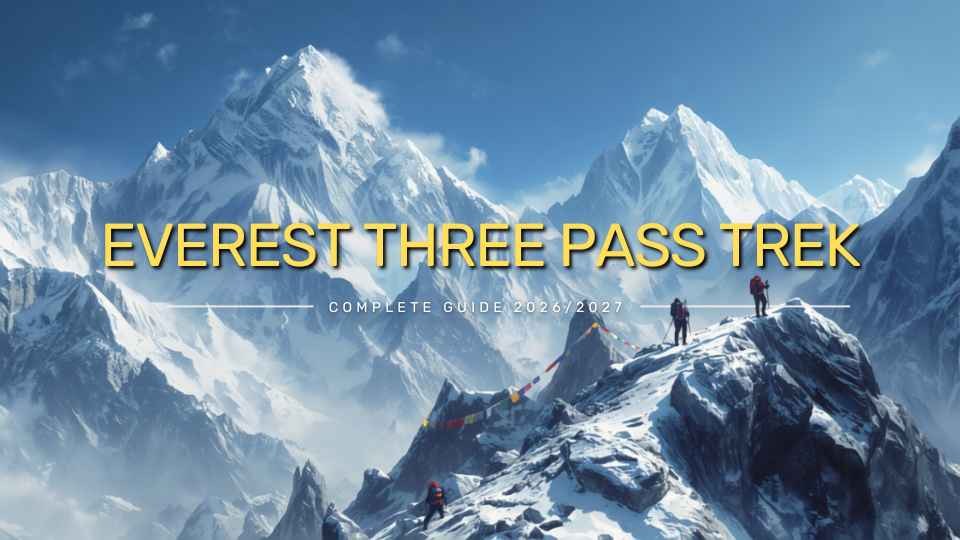
The Everest Three Pass Trek is an 18-day expedition-grade trek in Nepal's Khumbu region, crossing all three of the Everest region's high passes — Renjo La (5,360m), Cho La (5,420m), and Kongma La (5,535m) — plus Everest Base Camp, Kala Patthar, and Gokyo Ri. It's rated challenging/adventurous, the toughest standard trekking route in the Everest region, and costs US$920 to US$2,850 per person, depending on group size and service level.
Hand-picked itineraries
Recommended Trips
Related journeys you may want to explore after reading this article.
.jpg)
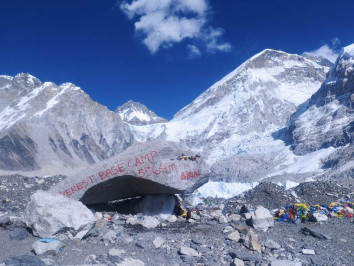
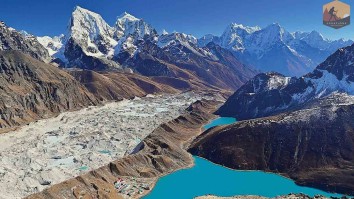
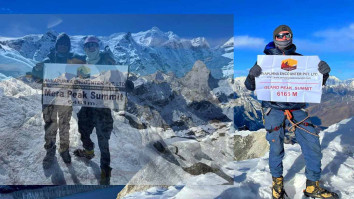
If you've already done Everest Base Camp and want the full Khumbu experience — every major pass, every classic viewpoint, in one continuous loop — this is the trek that delivers it.
What Is the Everest Three Pass Trek?
Most trekkers who visit the Khumbu region do one route: up to Everest Base Camp and back the same way. The Three Pass Trek does something different — it strings together all three of the region's major high passes into a single circuit, visiting Everest Base Camp, Kala Patthar, and the turquoise Gokyo Lakes along the way, rather than choosing just one of these classic Khumbu experiences.
Starting with the scenic flight into Lukla, the route climbs through Namche Bazaar and the Sherpa villages of Thame and Marlung before crossing Renjo La (5,360m) into the Gokyo Valley. From Gokyo, it climbs Gokyo Ri (5,357m) for one of the best mountain panoramas in Nepal, then crosses Cho La (5,420m) toward Everest Base Camp and Kala Patthar (5,545m) — the trek's highest point. The final pass, Kongma La (5,535m), closes the loop back toward Dingboche and Tengboche before returning to Lukla.
Annapurna Encounter runs this as an 18-day Everest Three Pass Trek from Kathmandu.
Everest Three Pass Trek Cost
Here's what the trek costs per person with Annapurna Encounter, based on group size:
| Group Size | Budget Package | Standard Package | Premium Package |
|---|---|---|---|
| Solo (1 person) | US$ 1,190 | US$ 2,050 | US$ 2,850 |
| 2 people | US$ 1,090 | US$ 1,950 | US$ 2,700 |
| 3–7 people | US$ 1,020 | US$ 1,880 | US$ 2,600 |
| 8–12 people | US$ 970 | US$ 1,780 | US$ 2,500 |
| 13–20 people | US$ 920 | US$ 1,690 | US$ 2,400 |
- Budget package: licensed guide, Kathmandu–Lukla flight, all permits, and basic tea-house stays — no meals included, so trekkers pay directly at lodges.
- Standard package: adds all trek meals, a porter (shared between two trekkers), a 3-star hotel in Kathmandu, and airport transfers. This is the most popular tier.
- Premium package: 4–5-star Kathmandu hotel, the best available lodges on trek, a highly experienced guide, loaner gear, and the option of a scenic helicopter leg to or from Lukla.
Three Pass costs noticeably more than a standard Everest Base Camp trek of similar length — the extra passes, longer duration, and more demanding logistics all add up — but it packs in three separate classic Khumbu experiences (EBC, Gokyo, and the passes) that would otherwise require three different trips.
Everest Three Pass Trek Permits
Every trekker needs the following, arranged by your operator:
- Sagarmatha National Park Permit: roughly US$34 (NPR 3,000) for foreign nationals, purchased in Kathmandu or at the Monjo entry checkpoint.
- Khumbu Pasang Lhamu Rural Municipality Permit: roughly NPR 2,000 (around US$20), required for all treks in the Khumbu/Everest region.
- TIMS card: roughly US$20, issued through a registered trekking agency.
All three are included in every Annapurna Encounter package, so there's no separate paperwork to arrange yourself.
Everest Three Pass Trek Itinerary
Here's a condensed version of the 18-day route, showing the key stages:
| Stage | Route | Altitude |
|---|---|---|
| Days 1–3 | Fly to Lukla, trek to Namche Bazaar, acclimatize | 3,440m |
| Days 4–6 | Trek via Thame and Marlung to Lungdeng | 4,600m |
| Day 7 | Cross Renjo La, descend to Gokyo | 5,360m → 4,800m |
| Day 8 | Acclimatization day at Gokyo Lake | 4,800m |
| Day 9 | Hike Gokyo Ri, trek to Thangnag | 5,357m → 4,750m |
| Day 10 | Cross Cho La, descend to Dzongla | 5,420m → 4,850m |
| Days 11–13 | Trek to Lobuche, on to Everest Base Camp and Kala Patthar | 5,364m / 5,545m |
| Day 14 | Cross Kongma La, descend to Dingboche | 5,535m → 4,330m |
| Days 15–17 | Trek via Tengboche and Namche back to Lukla | 2,830m |
| Day 18 | Fly back to Kathmandu | — |
The trek's defining stretch runs from Day 7 through Day 14 — a full week spent crossing all three high passes and touching every major Khumbu highlight, with two dedicated acclimatization days built in to manage the sustained altitude exposure.
How Difficult Is the Everest Three Pass Trek?
This is rated the most demanding standard trekking route in the Everest region — graded adventurous/challenging, above both the standard Everest Base Camp Trek and the Gokyo Lake Trek individually. What makes it tougher:
- Three passes above 5,300m, each requiring an early pre-dawn start, steep glacier or moraine crossings, and unpredictable weather windows.
- Sustained altitude exposure: multiple consecutive days above 4,800m, with the trek's highest point at Kala Patthar (5,545m).
- Long trekking days: typically 6–7 hours, extending to 8–9 hours on pass-crossing days.
- Remote, less-supported terrain between passes, with fewer teahouses than the main EBC trail.
A good level of fitness, strong acclimatization discipline, and ideally some prior high-altitude trekking experience are recommended. This isn't a first Himalayan trek — trekkers new to high altitude are better served starting with Everest Base Camp or Gokyo Lake alone before attempting the full three-pass circuit.
Best Time for the Everest Three Pass Trek
Autumn (September–November) and spring (March–May) are the two recommended seasons, offering the most stable weather and clearest visibility for the three high-altitude pass crossings — conditions that matter far more here than on lower-altitude treks, since poor visibility or fresh snow can make any of the three passes genuinely dangerous to cross. Winter and monsoon season are not recommended for this route.
What to Pack for the Everest Three Pass Trek
- Clothing: a heavyweight down jacket, thermal base layers, waterproof and windproof shell, warm gloves and a hat
- Gear: a sleeping bag rated to at least -15°C, trekking poles, crampons or microspikes (conditions-dependent on the passes), a headlamp
- Essentials: high-SPF sunscreen and glacier-rated sunglasses, a first-aid kit with altitude sickness medication, a water purification system, a portable power bank
Loaner gear — down jackets, sleeping bags, trekking poles — is included in the premium package for trekkers who'd rather not buy or ship specialized cold-weather equipment for one trip.
Frequently Asked Questions
How long is the Everest Three Pass Trek? Most itineraries run 17 to 18 days from Kathmandu, including two dedicated acclimatization days.
How much does the Everest Three Pass Trek cost? Between US$920 and US$2,850 per person, depending on group size and whether you choose a budget, standard, or premium package.
What are the three passes? Renjo La (5,360m), Cho La (5,420m), and Kongma La (5,535m) — all in the Khumbu region of the Everest area.
Is the Everest Three Pass Trek harder than Everest Base Camp? Yes, significantly. It covers everything the standard EBC trek does, plus three additional high-altitude pass crossings and the Gokyo Valley, adding both distance and technical difficulty.
Do I need prior trekking experience? It's strongly recommended. This route is best suited to trekkers who have already completed at least one high-altitude trek and have some familiarity with managing altitude symptoms.
What permits do I need? The Sagarmatha National Park Permit, the Khumbu Pasang Lhamu Rural Municipality Permit, and a TIMS card — all included in every guided package.
Does the trek include Everest Base Camp? Yes — Everest Base Camp (5,364m) and Kala Patthar (5,545m) are both included as part of the standard three-pass itinerary, alongside Gokyo Ri.
When is the best time to do the Everest Three Pass Trek? Spring (March–May) and autumn (September–November), for the clearest skies and most stable conditions across all three passes.
Final Thoughts
The Everest Three Pass Trek is the route for trekkers who want the complete Khumbu experience in a single trip — every major pass, every classic viewpoint, without retracing the same trail twice. It's demanding, but for trekkers with the fitness and altitude experience to take it on, it's widely considered the definitive way to see the Everest region.
For an accurate quote based on your travel dates and group size, get in touch with Annapurna Encounter directly.