
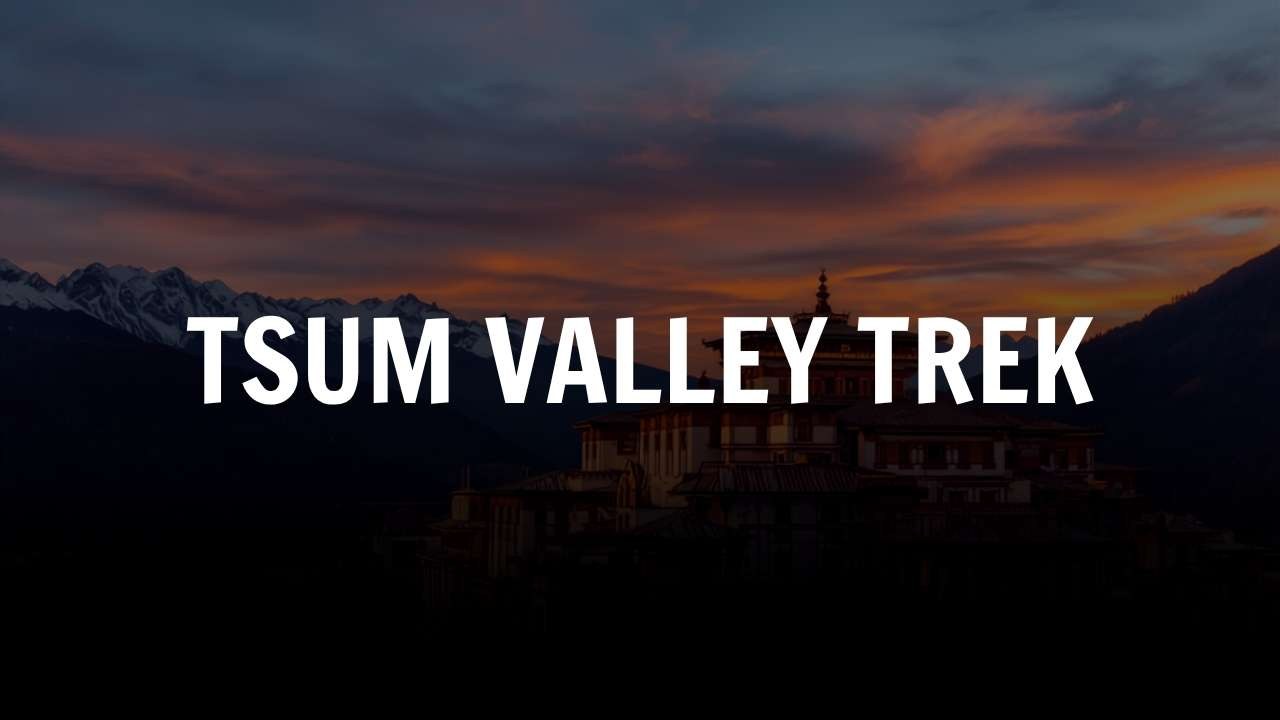
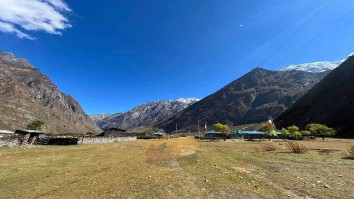
Tsum Valley sits in the Gorkha district, a side valley branching off the main Manaslu trail at Lokpa, running north toward the Tibetan border along the Shiar Khola. It was closed to outsiders until 2008, which is why it still feels genuinely untouched — stone villages, mani walls, and monasteries like Mu Gompa and Rachen Gompa that see a fraction of the foot traffic of anywhere in the Everest or Annapurna regions. The Tsumba people who live here practice a distinct form of Tibetan Buddhism built around a long-standing local principle of non-violence — traditionally, no animal is slaughtered within the valley.
Hand-picked itineraries
Recommended Trips
Related journeys you may want to explore after reading this article.
Two Very Different Treks, One Name
Tsum Valley alone (the version most operators mean when they just say "Tsum Valley Trek"): a there-and-back route from Lokpa up to Mu Gompa at roughly 3,700 m, sometimes extended to Dhephyudonma Gompa at around 4,060 m, then back the way you came. No high pass, no glacier crossing, no technical terrain. Typically 12–16 days including the drive from Kathmandu to the trailhead and back. This is the trek that genuinely deserves a "moderate" label — real altitude, real remoteness, but nothing beyond what a reasonably fit beginner with proper acclimatization can handle.
Tsum Valley combined with the Manaslu Circuit (often sold as Manaslu Tsum Valley Trek): you walk into the valley, then continue back onto the main Manaslu trail and complete the full circuit, crossing Larkya La Pass at 5,106 m before descending to Dharapani. This adds 5–7 days and roughly 1,400 vertical metres more than the standalone version tops out at. It's a legitimately strenuous trek — the kind of trip where the last two days before the pass, and the pass day itself, are genuinely hard regardless of your fitness level. If a review or blog post calls Tsum Valley "challenging" or "strenuous," there's a good chance they did this combined version and didn't say so.
Knowing which one you're booking changes almost everything else in this article — your training plan, your gear list, and honestly, whether you need previous high-altitude experience at all.
Difficulty Factors: Tsum Valley Alone
- Altitude: Maximum elevation around 3,700–4,060 m. Real, but well below the range where Acute Mountain Sickness becomes a major concern for most healthy trekkers with sensible pacing.
- Daily walking: 5–8 hours most days on established trail, with some steep stone-step sections and river crossings via suspension bridges.
- Terrain: Rocky, occasionally narrow cliffside paths in the lower valley, particularly between Chumling and Chhokangparo, but nothing requiring technical skill or equipment.
- Facilities: Basic teahouses throughout — simple rooms, shared bathrooms at most stops, limited electricity. This is the real difficulty multiplier: not the walking itself, but the remoteness and thin margin for things going wrong far from any road.
- Fitness needed: A reasonably active beginner who trains for 4–6 weeks beforehand can complete this comfortably. Prior high-altitude experience helps but genuinely isn't required.
Difficulty Factors: Combined with Manaslu Circuit
Everything above, plus:
- Larkya La Pass (5,106 m): The defining hard day of the combined trek. A long ascent from Dharamsala in the pre-dawn cold, often on snow and ice underfoot, followed by a steep, knee-testing descent to Bimthang. This is where altitude, fatigue, and cold stack together.
- Restricted-area remoteness: No road access anywhere on the Manaslu side, meaning any evacuation beyond what your guide's basic first aid can handle means a genuine wait for a helicopter, weather permitting.
- Cumulative fatigue: 18–22 days total with limited rest days means the physical toll compounds by the final week, even for fit trekkers.
- Fitness needed: This version genuinely benefits from prior multi-day, high-altitude trekking experience — Everest Base Camp or Annapurna Circuit level, ideally — even though no technical climbing skill is required.
Cost and What's Included
Both versions require a licensed guide and registered agency by law — this is a restricted area, not optional. Typical package costs run roughly USD 1,000–1,600 for the standalone Tsum Valley trek and USD 1,600–2,200 for the combined Manaslu-Tsum itinerary, depending on group size, season, and service level. Both should include permits, guide, accommodation, and meals on the trail; expect insurance, personal gear, and tips to sit outside the package price, same as any restricted-area trek in Nepal.
Permits
- Tsum Valley Restricted Area Permit: USD 40 per person for the first week in September–November, USD 30 per person for the first week December–August, with a per-day rate after that.
- Manaslu Conservation Area Permit (MCAP): USD 30 flat, required regardless of which version you book.
- Manaslu Restricted Area Permit (additional): required only if you're continuing onto the full circuit and crossing Larkya La — see our Trekking Permits in Nepal guide for the full seasonal breakdown.
As of March 2026, the longstanding rule requiring a minimum of two foreign trekkers per restricted-area permit application was removed — solo travellers can now get the Tsum Valley permit alone through a registered agency, though a licensed guide is still mandatory for the entire trek either way.
Best Season
Spring (March–May) and autumn (October–November) are the reliable windows — stable weather, clear valley views, and (for the combined route) the safest conditions for crossing Larkya La. Monsoon (June–September) brings leeches, slippery trail sections, and occasional landslide risk on the lower valley approach; it's passable but not pleasant. Winter (December–February) is genuinely cold in the valley and can close Larkya La entirely on the combined route, so the standalone Tsum Valley trek is the safer winter choice if you're set on a December or January departure.
FAQ
Is Tsum Valley trek suitable for beginners? The standalone version, yes — a reasonably fit beginner who trains beforehand can handle it comfortably. The version combined with the full Manaslu Circuit and Larkya La Pass is not a beginner trek; prior multi-day high-altitude experience is genuinely useful there.
What's the highest point of the Tsum Valley trek? For the standalone trek, Mu Gompa at roughly 3,700 m (or Dhephyudonma Gompa at around 4,060 m if extended). If combined with the Manaslu Circuit, the highest point is Larkya La Pass at 5,106 m.
Do I need a guide for Tsum Valley? Yes, by law. Tsum Valley is a restricted area, and a licensed guide through a registered agency is mandatory for every foreign trekker, regardless of experience level.
Can I trek Tsum Valley solo? As of March 2026, yes, you can apply for the permit as a single traveller — the previous two-person minimum was removed. You'll still need a licensed guide with you throughout.
How many days does the Tsum Valley trek take? The standalone version typically runs 12–16 days including Kathmandu transfers. Combined with the Manaslu Circuit and Larkya La Pass, expect 18–22 days.
Is altitude sickness a risk on Tsum Valley? On the standalone trek, the risk is real but manageable — you're topping out around 3,700–4,060 m with a sensible acclimatization pace. On the combined route, the risk is higher and more serious given Larkya La's 5,106 m elevation.
Which version should I choose? If you want a genuinely remote, culturally rich trek without extreme physical demands, book the standalone Tsum Valley trek. If you want the full Manaslu experience with Tsum Valley as an add-on and you have prior high-altitude trekking experience, the combined itinerary is worth the extra week.
Which Version Is Right for You?
If you're still weighing the standalone Tsum Valley Trekking route against the full Manaslu Tsum Valley Trek, tell us your fitness level and how much time you have, and we'll help you pick the one that actually fits — not just the one with the better brochure photos. Reach us at annapurnaregion@gmail.com or info@annapurnaencounter.com.