

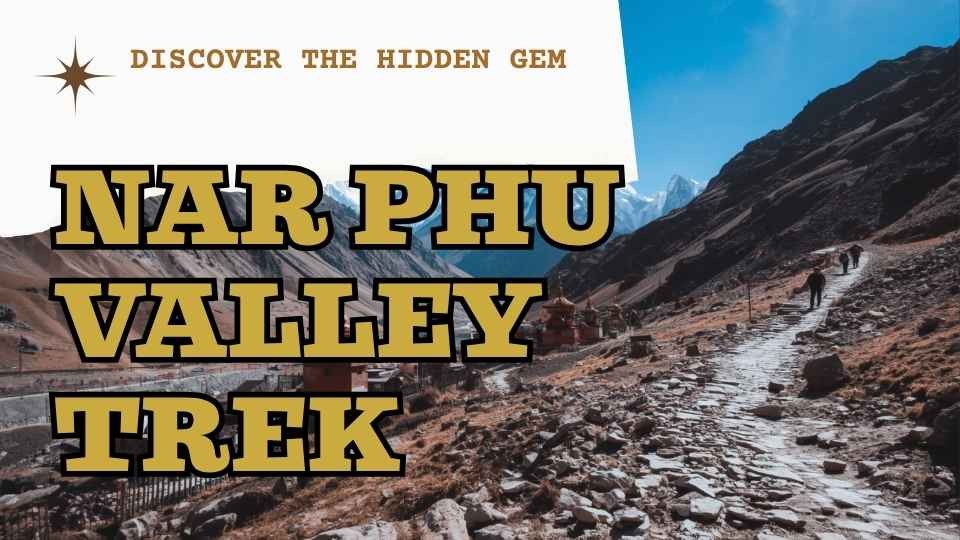
The Nar Phu Valley Trek is a 12-day restricted-area trek in Nepal's Annapurna region, reaching Kang La Pass at 5,320m and the ancient Tibetan-influenced villages of Nar and Phu. It's rated moderate to strenuous and costs US$640 to US$2,150 per person, depending on group size and service level. Because it's a restricted area, it also requires a special permit on top of the standard Annapurna Conservation Area Permit — and it sees a fraction of the foot traffic of the main Annapurna Circuit.
Hand-picked itineraries
Recommended Trips
Related journeys you may want to explore after reading this article.
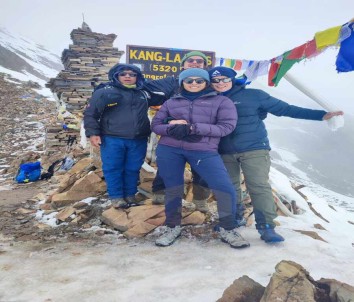
If you've done a standard Himalayan trek before and want something genuinely off the beaten path, this is one of the most rewarding — and least crowded — options in the Annapurna region.
What Is the Nar Phu Valley Trek?
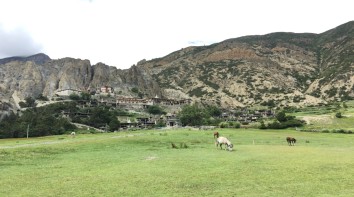
Nar and Phu are two isolated villages tucked north of the Annapurna range, close to the Tibetan border, only opened to foreign trekkers in 2002. The trail branches off the classic Annapurna Circuit route at Koto and follows the Phu Khola river through narrow gorges and pine forest into a valley that stayed cut off from the outside world for centuries. Along the way, you'll pass fortress-like stone villages, ancient chortens, and the revered Tashi Lhakhang Monastery — all against a backdrop of high, arid Trans-Himalayan landscape closer in feel to Upper Mustang or Dolpo than the greener lower Annapurna trails.
The trek is typically run as a standalone 12-day Nar Phu Valley Trek from Kathmandu, though it can also be extended into an 18-day itinerary combined with the Kang La Pass and wider Annapurna Circuit for trekkers with more time.
Nar Phu Valley Trek Cost
Here's what the 12-day Nar Phu Valley Trek costs per person with Annapurna Encounter, based on group size:
| Group Size | Budget Package | Standard Package | Premium Package |
|---|---|---|---|
| Solo (1 person) | US$ 850 | US$ 1,500 | US$ 2,150 |
| 2 people | US$ 750 | US$ 1,350 | US$ 1,900 |
| 3–7 people | US$ 700 | US$ 1,250 | US$ 1,750 |
| 8–12 people | US$ 670 | US$ 1,200 | US$ 1,650 |
| 13–20 people | US$ 640 | US$ 1,150 | US$ 1,550 |
- Budget package: mandatory licensed guide, all permits (including the restricted area permit), local transport, and tea-house stays — meals paid directly at lodges.
- Standard package: adds all trek meals, a porter (shared between two trekkers), 3-star hotel in Kathmandu, and a mix of tourist bus and jeep transport.
- Premium package: private jeep transfers throughout, 4–5-star hotel, a senior restricted-area-experienced guide, loaner trekking gear, and daily oximeter health checks.
Nar Phu costs more than comparable non-restricted treks of similar length mainly because of one thing: the restricted area permit, which is layered on top of the standard ACAP fee.
Nar Phu Valley Trek Permits (The Key Difference)
This is what sets Nar Phu apart from most other Annapurna region treks — it requires three separate permits, not one:
- Annapurna Conservation Area Permit (ACAP): the standard permit required throughout the Annapurna region.
- TIMS card: issued alongside your ACAP through a registered agency.
- Nar & Phu Restricted Area Permit: the one that makes this trek distinct. Fees are seasonal — roughly US$100 for the first 7 days during peak season (September–November), plus US$15 per additional day; off-peak months run somewhat lower. This permit exists specifically to limit visitor numbers and protect the valley's fragile culture and ecosystem.
Because it's a restricted area, a licensed guide is legally mandatory — the permit simply cannot be issued for independent, unguided trekking. Annapurna Encounter arranges all three permits as part of every package tier, so there's no separate paperwork to handle yourself.
Nar Phu Valley Trek Itinerary
Here's the standard 12-day route:
| Day | Route | Altitude |
|---|---|---|
| 1 | Drive Kathmandu to Koto | 2,600m |
| 2 | Trek to Meta (entering the restricted area) | 3,560m |
| 3 | Trek to Phu Gaon | 4,080m |
| 4 | Acclimatization day, explore Phu and Tashi Lhakhang Monastery | 4,080m |
| 5 | Trek to Nar Phedi (monastic outpost) | 3,490m |
| 6 | Trek to Nar village | 4,110m |
| 7 | Acclimatization day, explore Nar | 4,110m |
| 8 | Cross Kang La Pass, descend to Ngawal | 5,320m |
| 9 | Trek to Manang | 3,540m |
| 10 | Trek to Chame | 2,670m |
| 11 | Drive to Besisahar | — |
| 12 | Drive to Kathmandu | — |
The trek's defining stretch runs from Day 2 through Day 8: leaving the busier Annapurna Circuit trail entirely at Koto, spending five days deep in the Nar Phu valley with two dedicated acclimatization days, then crossing the dramatic Kang La Pass at 5,320m before rejoining the main circuit trail near Ngawal.
How Difficult Is the Nar Phu Valley Trek?
This trek is rated moderate to strenuous. A few factors push it above beginner-level treks like Ghorepani Poon Hill or the standard Annapurna Circuit:
- High altitude exposure: the trek spends multiple days above 4,000m, topping out at 5,320m on Kang La Pass.
- Remote, rugged terrain: steep ascents and descents through narrow gorges, with fewer teahouses and less trekker traffic than the main circuit trail.
- Total distance: the full route covers roughly 75–80km over 12 days.
Prior trekking experience and a good baseline of fitness are recommended, though it isn't technical — no ropes, crampons, or climbing skills are required. Trekkers new to the Himalayas are usually better served starting with the 12-Day Annapurna Circuit Trek or Annapurna Base Camp Trek before attempting a restricted-area route like this one.
Best Time for the Nar Phu Valley Trek
Spring (March–May) and autumn (September–November) offer the most stable weather and clearest mountain views, and are the recommended windows for crossing Kang La Pass safely. Because the valley sits in a partial rain shadow, monsoon season (June–August) is actually trekkable here — unusual for Nepal — though road access to Koto can face disruptions. Winter is possible for well-prepared, experienced trekkers but brings serious cold and a higher chance of the pass being snowbound.
What to Pack for the Nar Phu Valley Trek
- Clothing: layered thermal and windproof clothing, a warm hat and gloves, wool socks
- Gear: a sleeping bag rated to at least -10°C (you'll spend one night at a monastic outpost with basic facilities), trekking poles, a headlamp, a water purification system
- Cash: Nepali rupees — ATM and card facilities are very limited beyond district towns like Besisahar, and nonexistent in the valley itself
- Essentials: sunglasses, sun hat, a first-aid kit, a portable power bank (charging is limited at higher elevations)
Frequently Asked Questions
How many days is the Nar Phu Valley Trek? The standard itinerary runs 12 days from Kathmandu, though it can be extended to 13–18 days with optional side trips or a combined Annapurna Circuit route.
How much does the Nar Phu Valley Trek cost? Between US$640 and US$2,150 per person, depending on group size and whether you choose a budget, standard, or premium package.
What permits do I need for Nar Phu Valley? Three: the Annapurna Conservation Area Permit (ACAP), a TIMS card, and a Nar & Phu Restricted Area Permit, which costs roughly US$100 for the first 7 days in peak season plus US$15 per extra day.
Is a guide mandatory for the Nar Phu Valley Trek? Yes — because it's a restricted area, the permit cannot be issued for independent trekking. A licensed guide is a legal requirement, not just a recommendation.
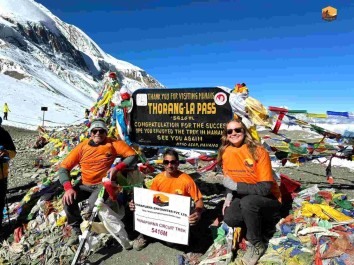
How difficult is the Nar Phu Valley Trek compared to the Annapurna Circuit? It's more demanding. The route spends more days above 4,000m, crosses a higher pass (Kang La at 5,320m vs. Thorong La's 5,416m on a shorter overall trail), and covers more remote, less-supported terrain.
When is the best time to trek Nar Phu Valley? Spring (March–May) and autumn (September–November), for the clearest skies and most stable conditions across Kang La Pass.
Can I combine Nar Phu Valley with the Annapurna Circuit or Tilicho Lake? Yes — Annapurna Encounter also offers an 18-day Nar Phu & Kang-La Pass Trek that extends the route, and the itinerary can be customized to include a Tilicho Lake detour for trekkers who want the complete Annapurna region experience in one trip.
Final Thoughts
The Nar Phu Valley Trek is the trek to choose once you've outgrown the busier Annapurna trails and want genuine remoteness — ancient monasteries, living Tibetan-influenced culture, and a high mountain pass, all with a fraction of the crowds. The restricted-area permit and mandatory guide requirement keep it that way, which is exactly the point.
For an accurate quote based on your travel dates and group size, get in touch with Annapurna Encounter directly.